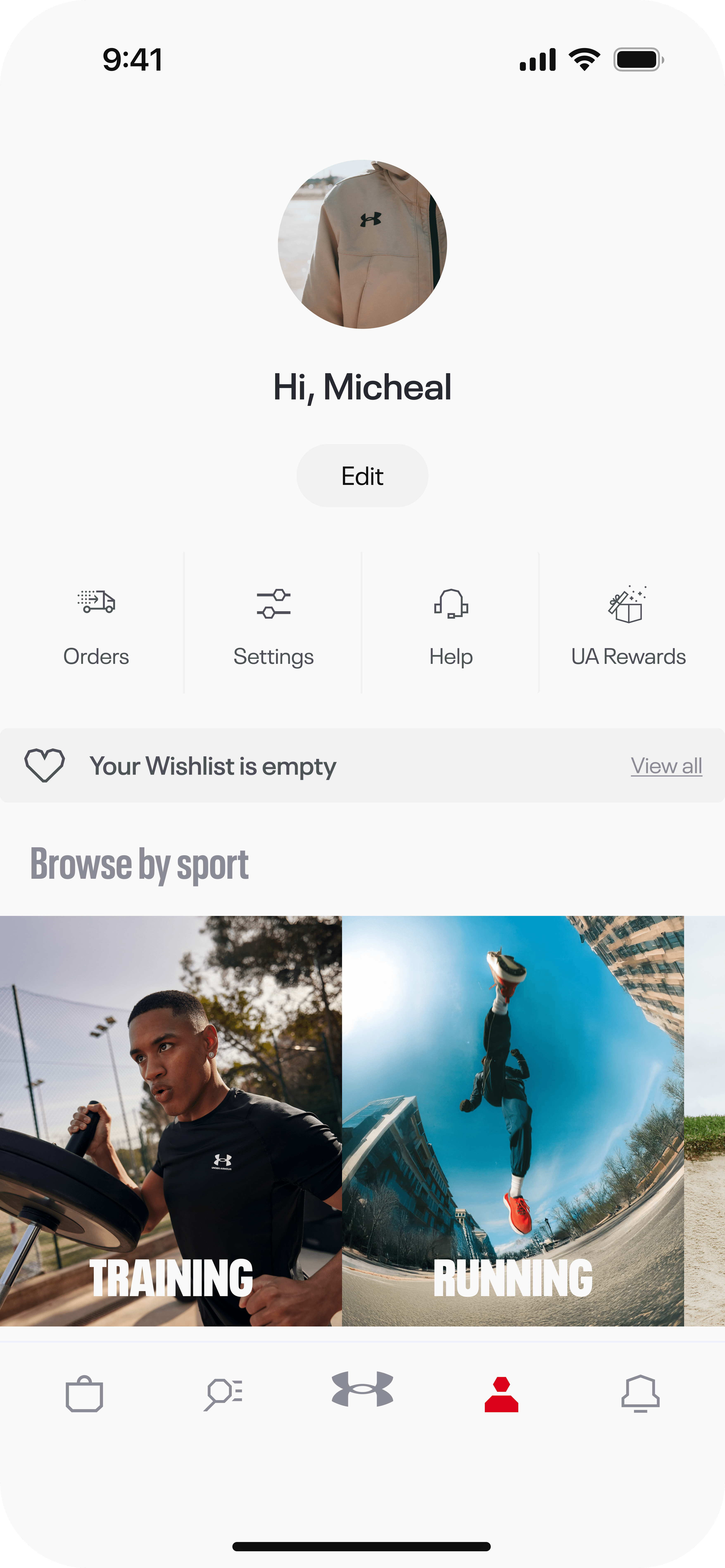
2025
Mode Swithcher
Role
UX/UI Designer
Platform
Mobile App
About
Designing for light and dark modes for a more personalised & accessible user experience.
Case Study
My Approach
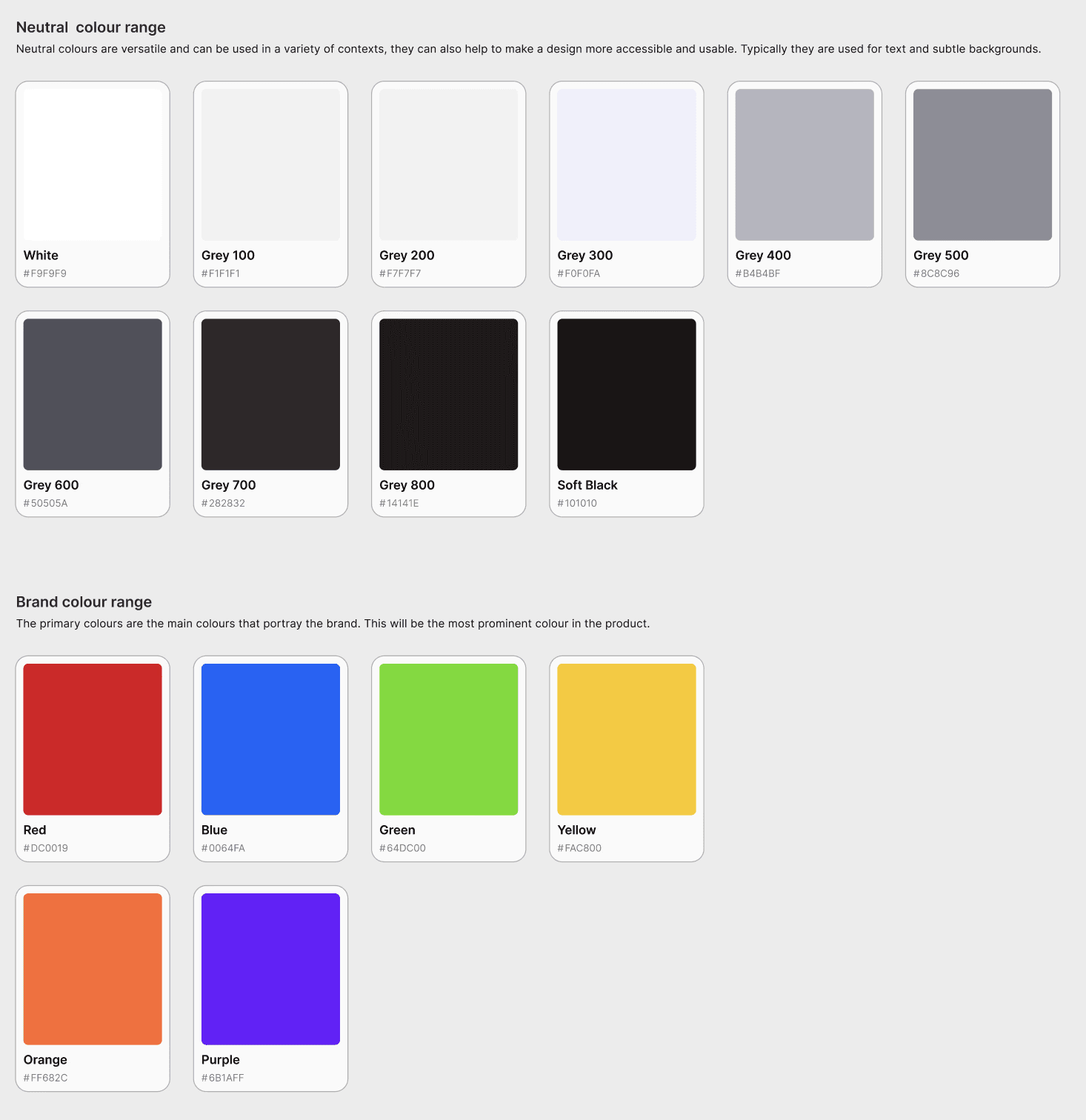
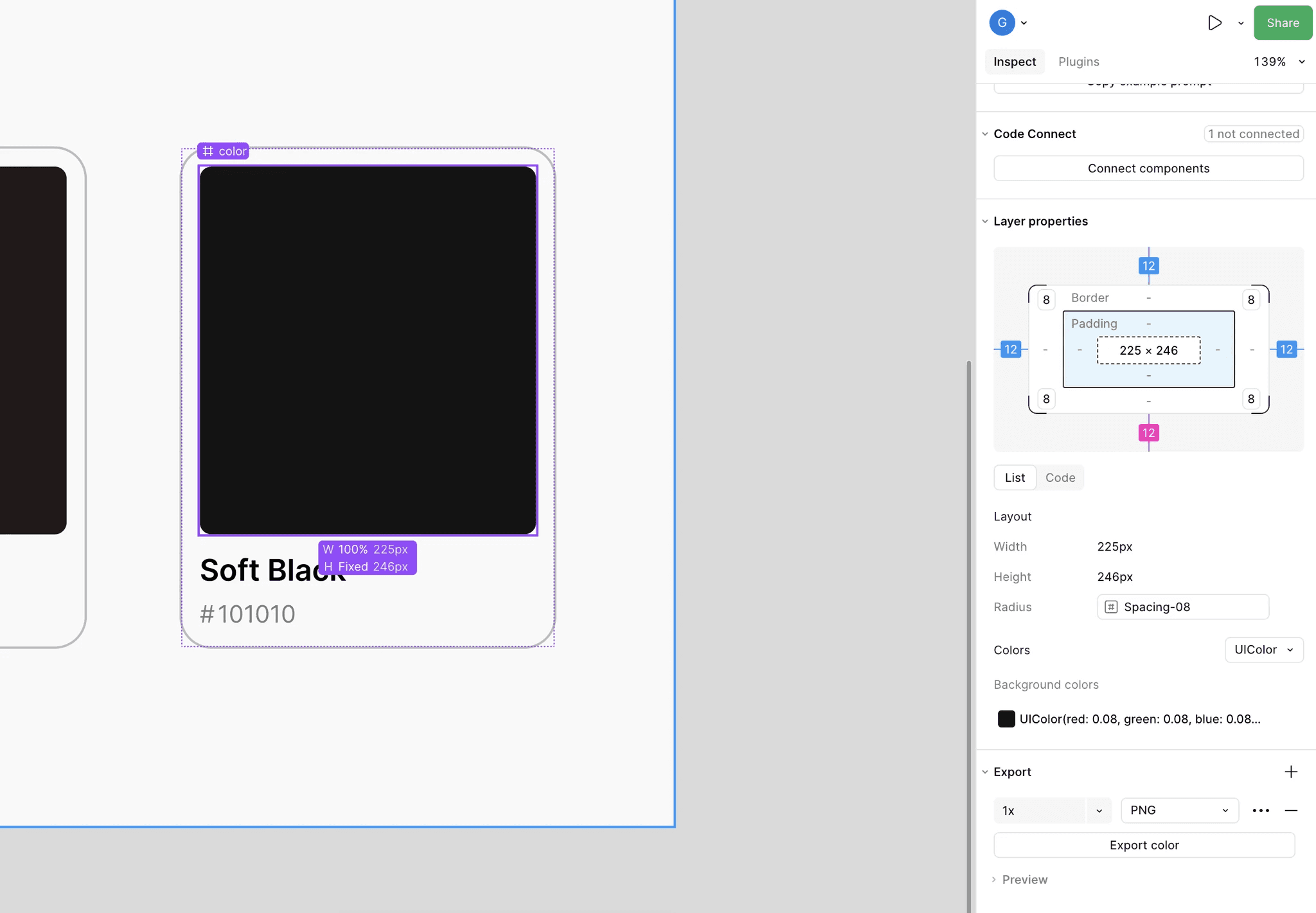
To kick start, I set up primitive variables as a source of truth,
I focused on key primary, secondary and grey colours.
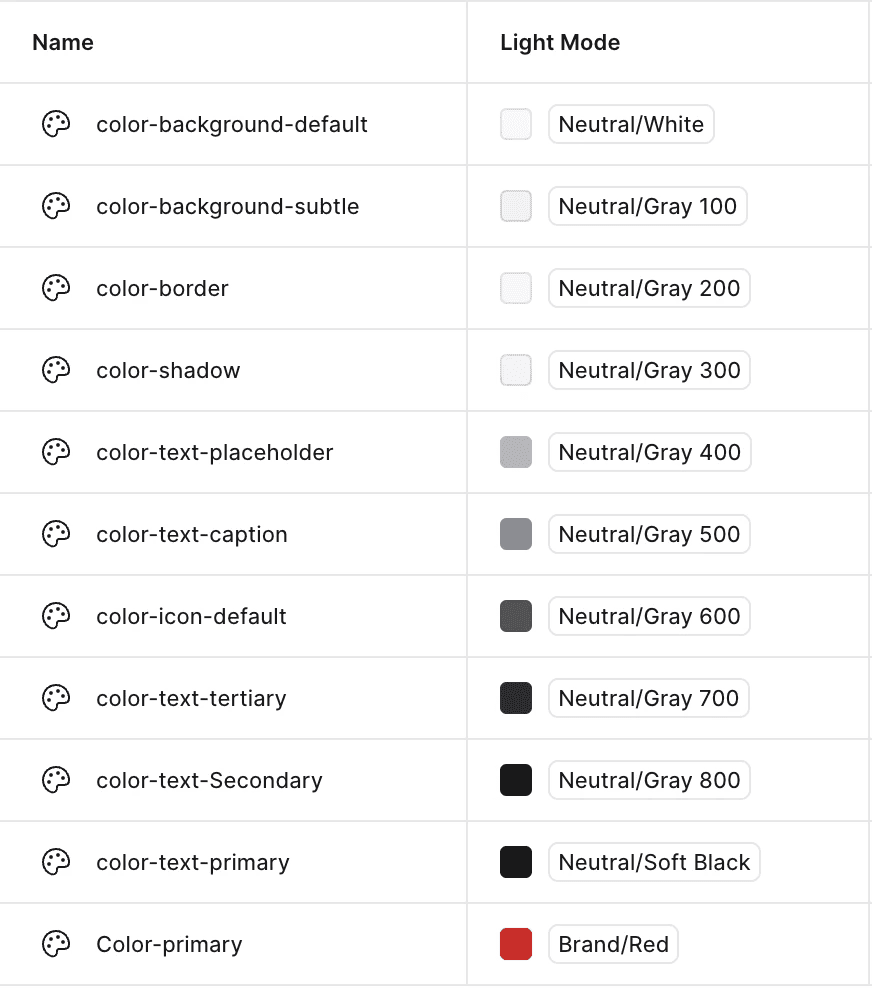
Semantic aliasing
Referencing primitives token, I gave each colour an identity, and a unique meaning, ensuring:
• Consistency in the interface
• Makes variables easier to use for devs & Designers
• Leads to better collaboration & handoff
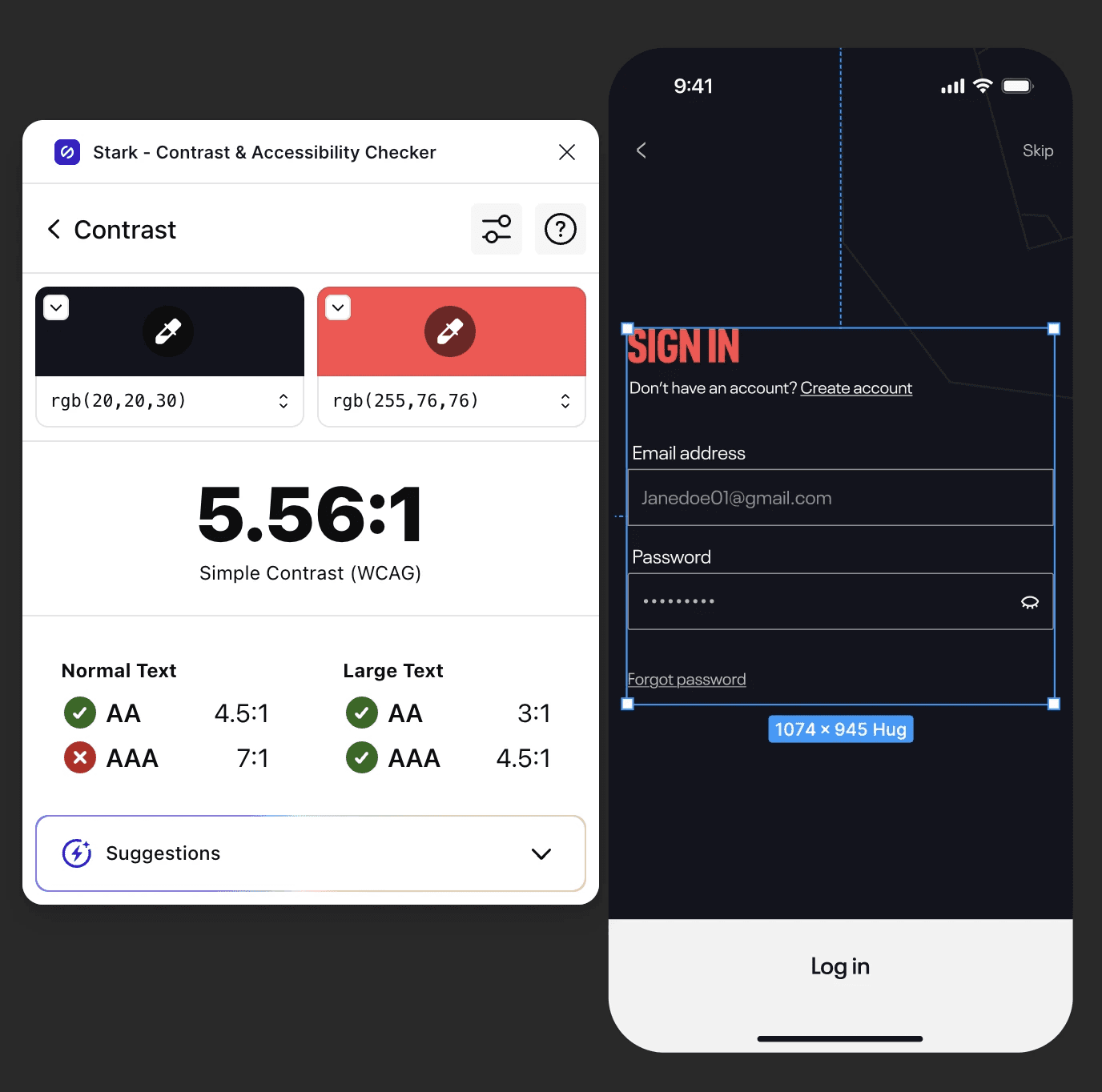
Accessibility & Contrast checking
Collaboration
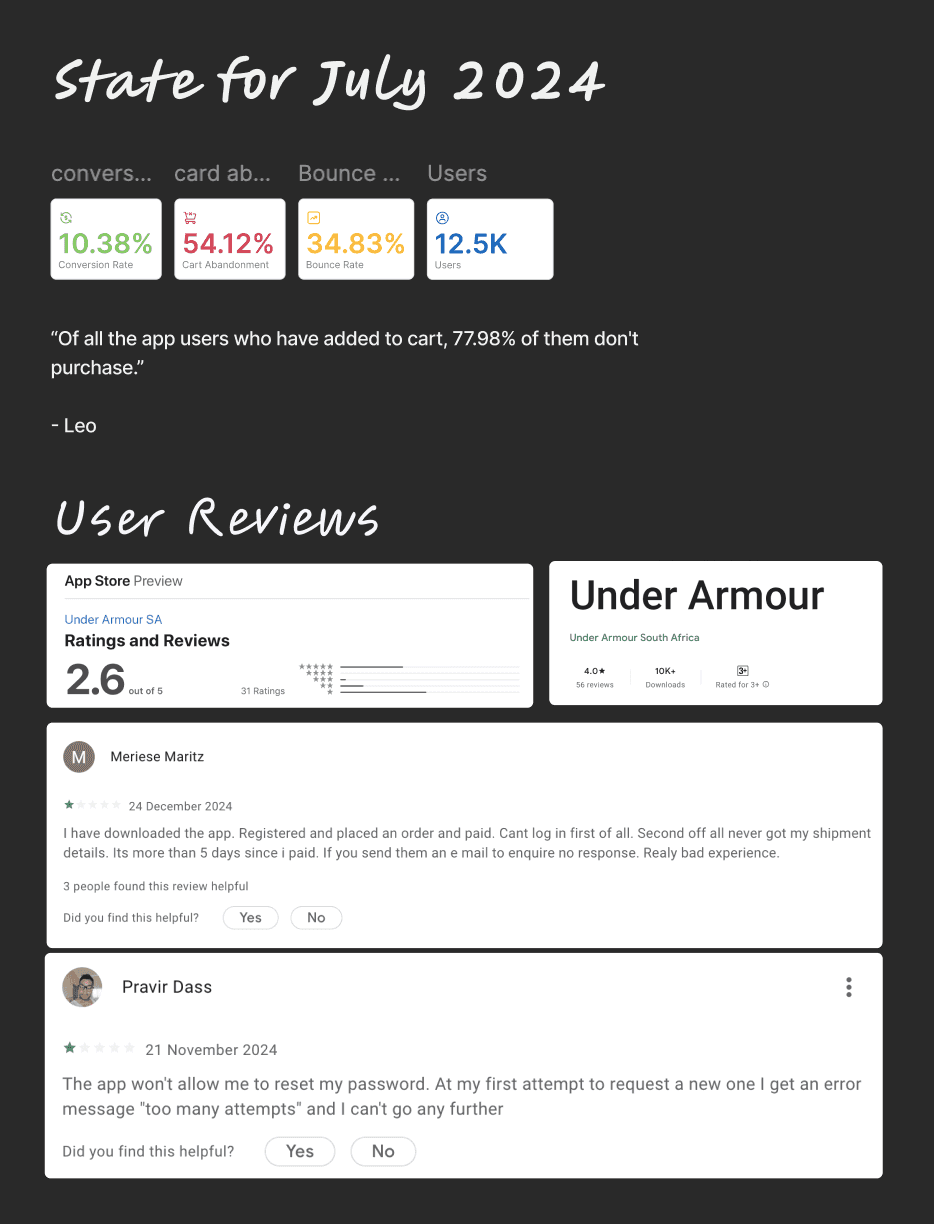
With my progress so far, I put together a deck sharing my key finding with different
departments & stakeholder,
main focus was to highlight:
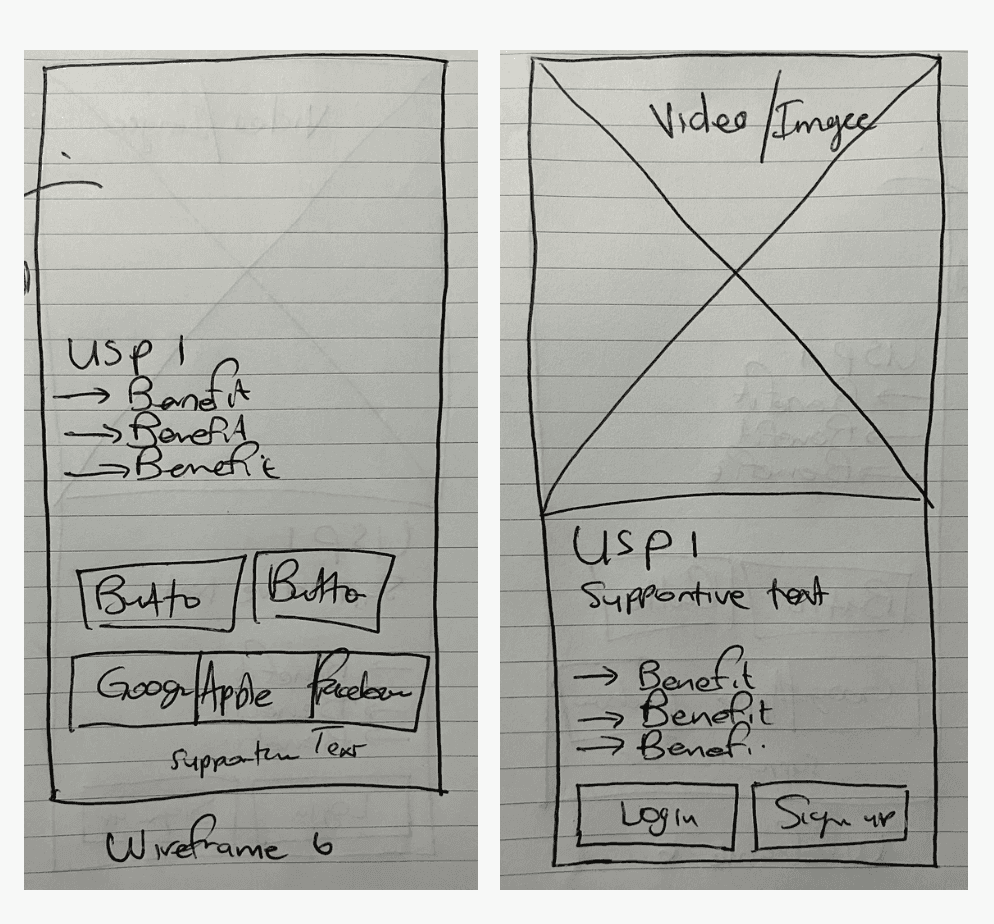
• Suggest improved user flow
• Gather feedback & insight from stakeholders
• Review competitors user flows
• Discuss possibilities & scope project
Application
All was left was to apply the tokens
to the rest of the screens :)
Handover
Results & Reflection
Results
More personalised experience
A reusable pattern for design systems
Learnings
Looking back, I could of communicated & collaborated with devs better
Documentation and naming of tokens could really effect the development process of a poject